Weekend Events Checklist: How to Plan Around Shire's Summer Fair, Parades, and Road Closures
October 05, 2026 - Events


September 30, 2026 - Opinion
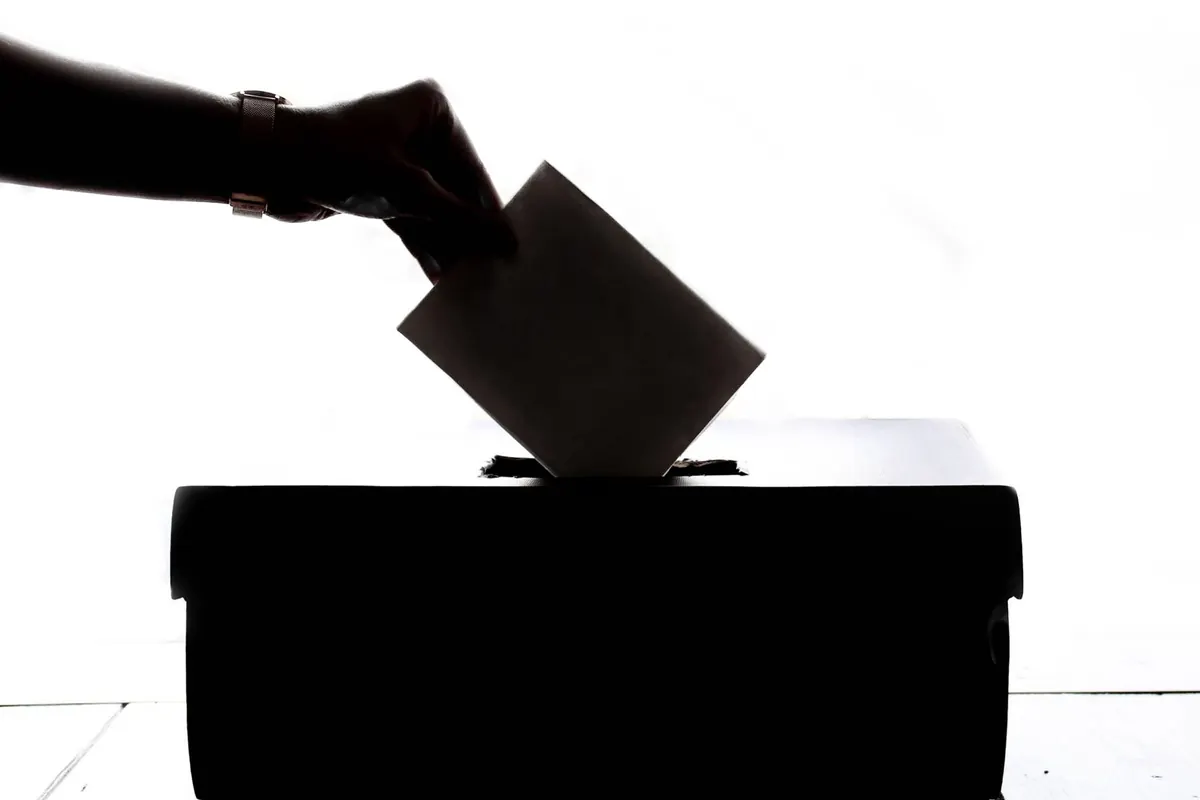
Most elections are not decided by dramatic swings. They are decided by people who showed up — and lost votes are rarely dramatic either. They are a registration that lapsed after a house move, a photo ID left in a coat pocket at work, a postal ballot that arrived two days past the deadline.
None of that is hard to prevent. It just has to be done in the right order, because voting has several deadlines and only one of them is polling day.
Here is the practical version: what to sort now, what to check the week before, and what to do if the morning goes sideways.
Everything else depends on being on the electoral register. Paying council tax, holding a driving licence or owning a home does not automatically put you on it everywhere. If you have moved since the last election, changed your name, or recently turned 18, verify your details rather than assume them.
Deadlines vary. Many places close registration somewhere between twelve and thirty days before polling day. A smaller number allow same-day registration at the polling station or the elections office. Do not guess at the number — your elections office publishes it, and it is usually the earliest hard cut-off in the whole cycle.
A few situations worth checking directly:
Identification rules have tightened in a lot of places and they differ sharply from one jurisdiction to the next. Some require photo ID. Some accept a document showing your name and address. Some require nothing at all. Read the list your elections office publishes before you decide your passport is enough or that a bank statement will not do.
Documents commonly accepted in places that require ID include:
Ask about a free voter authority certificate, or whatever your area calls the equivalent. Many places issue one, but there is usually an application deadline roughly a week or two before polling day, and you cannot generally obtain one at the polling station itself.
Watch two other snags. Expired ID is accepted in some places and refused in others, so bring a second document as backup if the photo is old. And a name mismatch — after marriage, divorce or a deed poll — is one of the most common reasons a voter is turned away. Bring the certificate that connects the two names.
Two deadlines matter here, and they are not the same: when your application must arrive, and when your completed ballot must be received. Some places accept a postmark; others require the ballot in hand by the close of polls. Read the instruction sheet that comes with it.
If your elections office offers ballot tracking, use it. If the status has not changed to "received" a few days before the deadline, telephone them.
Polling stations move. A community hall becomes a building site, a school closes for half-term, a church hall is booked for something else. Your poll card names your station, but the card itself is for information — you usually do not need it to vote.
Confirm the details in advance through the elections office polling place look-up, and read the sample ballot that arrives with your card. If you would rather not wait, ask about early in-person voting locations and their opening hours.
Then think about the journey. Bus times, parking, and whether the entrance is step-free. If you have a disability or need help marking your ballot, polling stations are generally required to provide assistance — a ramp, a tactile voting device, or a companion you bring with you. Contact the elections office beforehand if you need something specific arranged.
Bring your ID if one is required, your poll card if you have it, and a note of how you plan to vote. In most places you may take a marked-up sample ballot into the booth, but not campaign material or anything that could be read as campaigning.
Polls typically open early and close in the evening, and anyone still in the queue at closing time is normally allowed to vote. If you are working that day, check whether your area gives employees time off to vote. The rules vary, and a busy shift is not a legal excuse everywhere.
Turn up with the right document, at the right station, before the right hour — that is the whole job.
Problems at the polling station are usually fixable, but only if you ask rather than walk away.
Note the time, the name of the person you spoke to, and what you were told. If you believe you were wrongly turned away, contact the elections office the same day — details are much harder to piece together later.
One general caution: election law differs by country, state and sometimes by municipality. For anything that affects your vote directly, confirm the detail with your local elections office or a qualified adviser rather than relying on a general guide.
It takes about ten minutes. That is a small price for not being the person who arrives at the hall to find the doors locked, the queue gone, and the deadline already passed.
Photo: Element5 Digital / Pexels

Road closures, parking and timing can make or break a summer festival weekend. Here's a practical checklist for...
Shire's buses stop running before the night shift ends. A modest late-night pilot would keep workers moving, reduce...
Copyright © 2026 Shire Gazette. All Right Reserved.