Weekend Events Checklist: How to Plan Around Shire's Summer Fair, Parades, and Road Closures
October 05, 2026 - Events

September 30, 2026 - Opinion
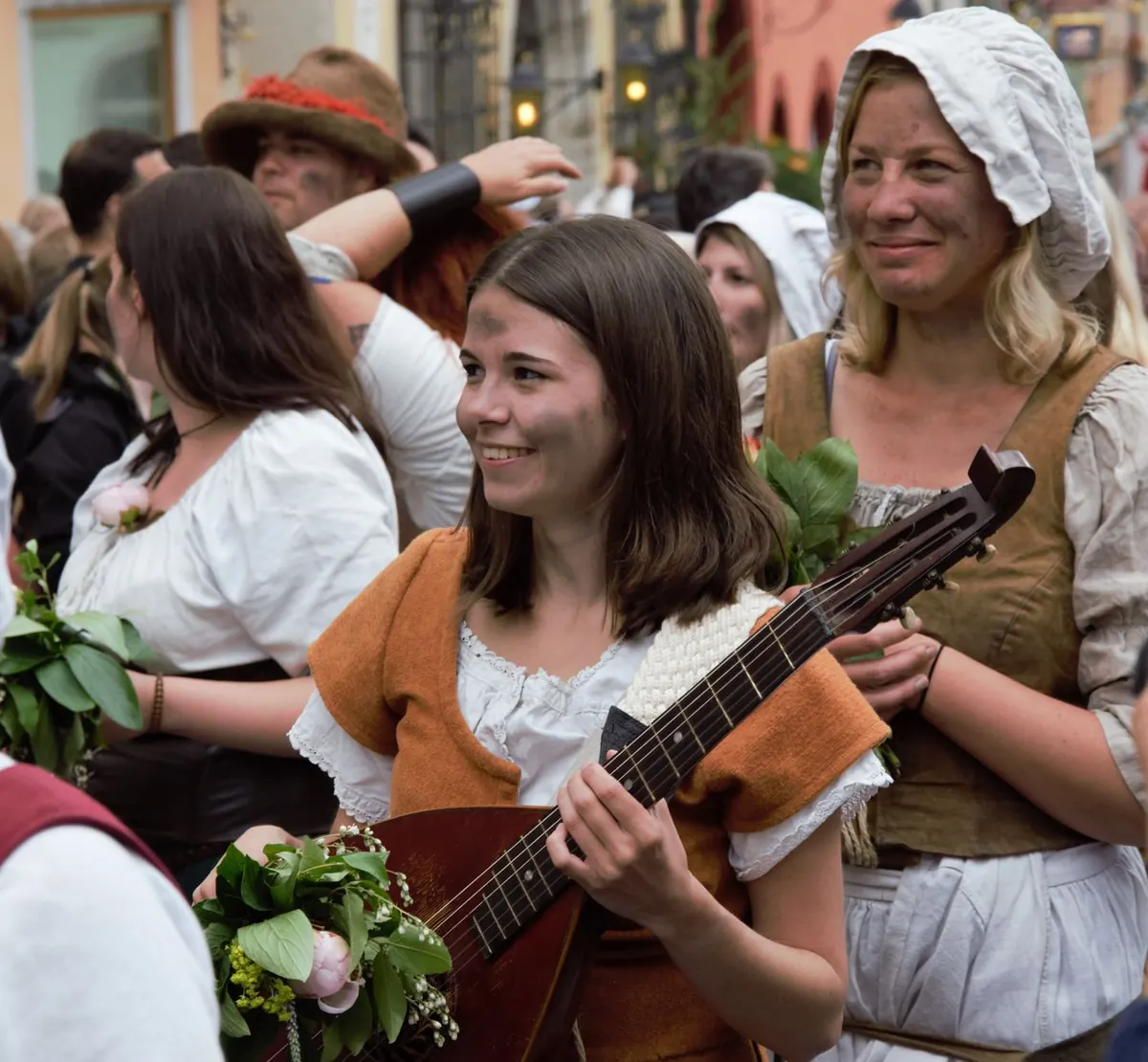
The first big weekend of Shire's summer season fills the calendar fast. There is the fair on the riverside field, the parade down the high street, the evening concert in the market square, and somewhere in between a charity fun run that nobody remembers signing up for. All of it is worth the effort. All of it also closes roads, fills the car parks by mid-morning, and turns a ten-minute drive into forty.
Most of the frustration people feel at these events is decided in the last half hour before leaving the house. A little planning on Wednesday or Thursday changes the entire day. Here is how to do it.
Every major weekend event in Shire comes with a published closure and diversion schedule. Find it early in the week, not on the morning of, and look at three things: which roads close, what time they close, and when they reopen.
The distinction that catches people out is between a rolling closure and a full closure. A parade route typically shuts for a short, fixed window while the procession passes, then reopens behind the last float. A fair or concert usually closes its surrounding streets for the whole day, sometimes overnight while stalls are built and cleared. A road that was open at nine in the morning may be shut by eleven, and the marshals will not be flexible about it.
Diversions move stops, and moved stops are rarely where anyone expects them. If you plan to use public transport, check the operator's notice as well as the event page, and allow an extra twenty minutes each way. Save a screenshot of the closure map to your phone. Mobile signal gets patchy once a few thousand people gather in one field.
Parking is the single biggest source of weekend misery, and it is also the easiest thing to solve in advance. Work through your options in this order:
Wherever you end up, keep driveways, bus stops, junctions and dropped kerbs clear. Parking on a verge after rain also earns you a recovery bill from a tractor, which is a real and expensive lesson.
One habit worth adopting: if you are driving, drop your family near the entrance with the bags and chairs, then park and walk back alone. It is far easier to manage one adult on foot than a tired group with armfuls of folding furniture.
Events run to their own clock, and it rarely matches yours. Plan for three moments rather than one.
Arrival. The first hour of a fair is the calmest and the least crowded. Gates, stalls and toilets are all still manageable. Getting there early costs you a slow breakfast and saves you an hour of queueing later.
The main attraction. For a parade, claim your spot at least thirty to forty-five minutes ahead, and choose a position near the start of the route if you want to leave before the crowd turns. For an evening concert, decide in advance whether you are staying to the last song. If you need to drive home, leaving ten minutes before the encore will save you considerably more than ten minutes.
Departure. Think about it while you still have energy, not when everyone is exhausted. A short walk to a quieter street, or a meal in town while the car parks empty, can turn a grim shuffle into a pleasant end to the day.
The best parking spot at any summer event is the one you reach on foot.
Pick something unmistakable, ideally with a staffed stall or information point nearby, and make sure every member of the group can describe it. If someone gets separated, the rule is simple: go to the meeting point and stay there.
Write a mobile number on a younger child's wrist or on a card in their pocket, and take a photograph of what they are wearing that morning. If the worst happens, that picture is the most useful thing you can hand to a steward.
Field events mean uneven grass, so pushchairs with small wheels struggle after rain. Ear defenders help children who find marching bands and PA systems overwhelming. Check accessibility arrangements in advance if anyone in your group uses a wheelchair or needs step-free routes, and ask where the quieter viewing areas are.
You will carry everything you bring for several hours, so be ruthless. Water bottles you can refill, hats, sunscreen, a light layer for the evening, a portable charger, wipes, a few snacks, and a small first-aid kit cover most situations. A blanket or folding chairs need a groundsheet if the field is damp. Bring a bag for your own rubbish, because bins fill quickly at these events.
Leave behind anything you would resent carrying: glass, dogs if the event is crowded and warm, and bulky equipment you probably will not use. On hot days, plan shade and water breaks rather than pushing through, and if anyone in your group has a health condition affected by heat or crowds, speak to a medical professional beforehand about what is sensible for them.
Run through this on Friday evening and the weekend largely takes care of itself.
Do those eight things and you will spend the weekend watching the parade rather than arguing with a road-closed sign. Enjoy it. The summer goes quickly.
Photo: Gutjahr Aleksandr / Pexels
Shire's buses stop running before the night shift ends. A modest late-night pilot would keep workers moving, reduce...
Shire High football returns a seasoned core, a few breakout candidates, and a rivalry-heavy schedule. Here’s what to...
Copyright © 2026 Shire Gazette. All Right Reserved.