Weekend Events Checklist: How to Plan Around Shire's Summer Fair, Parades, and Road Closures
October 05, 2026 - Events


September 30, 2026 - Opinion
You saw the meeting, the spill, the closure notice taped to a shop door. Or you heard something from someone who was there and you have been turning it over ever since. Most of the stories this paper runs start exactly there — with a reader who decided it was worth five minutes to tell us.
Sending a tip does not have to be polished. But a little structure makes a big difference. It helps us check the details faster, decide what kind of story it is, and get back to you with sensible questions instead of guesswork.
Tips are not only scandals. Some of the most useful things that land in our inbox are small and specific: a road closure that has been extended for the third time, a planning application nobody in the street was told about, a charity run looking for volunteers, a bus route quietly cut, a business closing after thirty years.
The rough test we apply is simple. Is it new, or at least newly known? Is it specific enough to check? Does it affect people in the shire? If the answer to those is yes, send it. You do not need to have the whole story worked out, and you certainly do not need to write like a reporter. You need to tell us what you know, how you know it, and who else might confirm it.
Long emails are fine. So are short ones. What matters is that the core facts are there and clearly separated from the things you are less sure about.
Keep it plain and factual: "Overflowing drain on Ashwell Road since January" or "School crossing patrol cut — confirmed by two parents". Avoid "URGENT" unless it genuinely is. Our inbox is sorted by topic and area, so a location in the subject line gets your message read sooner.
Send the original file if you can. Photos that have been passed through three messaging apps arrive small and stripped of the information that tells us when and where they were taken. If a screenshot is all you have, send that too — just say so.
Add a line describing each image: what it shows, the date, and the rough location. For documents, tell us how you came by them and whether they have been published anywhere. Do not edit or crop anything to make a point; if something needs redacting, we would rather do that ourselves.
One thing we will never ask you to do is take a risk for a photograph. Do not trespass, do not climb anything, do not stand in a road, and do not photograph people in places where they reasonably expect privacy. If you are unsure whether you should be taking a picture at all, ask yourself whether you would be comfortable explaining your reasons to the person in it. We can blur faces and withhold details where there is a genuine need.
Give us a real name and a number or email we can reach you on, even if you never want either published. We keep contact details inside the newsroom and out of the story. If your tip involves a legal dispute, a workplace matter or money you are owed, remember that we report news rather than advise on it — for anything with legal or financial consequences, it is worth speaking to a solicitor or the relevant authority as well as to us.
We take anonymity seriously, and we grant it often. But it works better as a conversation than as a switch you flip at the end of an email. The reporter usually needs to know who you are and how you know what you know, precisely so the story can be published without your name in it.
If you need to stay anonymous, say so in the first line. We can work with that. We can do it better if we know before publication rather than after.
What we cannot promise is anonymity from a court order, or protection if we discover a tip has been invented to settle a private score. Being straight with us about your involvement — a neighbour dispute, a complaint you have already made, a business rivalry — does not kill the story. Being surprised by it later usually does.
Everything gets read, though not everything becomes a story. Sometimes a tip is true but too small, or too old, or impossible to stand up without a document that will never surface. Sometimes it is a story for next month rather than this week.
If it looks promising, expect a reply asking a few follow-up questions. It may come days later — the newsroom is small and court reporting eats whole mornings. If you have new information in the meantime, send it. If you have heard nothing for a fortnight and think we have missed something, nudge us once. There is no harm in it.
That is the whole process. You do not need a lawyer, a press release or a source list. You need to tell us something specific and tell us how you know it, and the newsroom will take it from there. If you are ever unsure whether something is worth sending, send it anyway — the worst that happens is a polite reply saying it is not one for us.
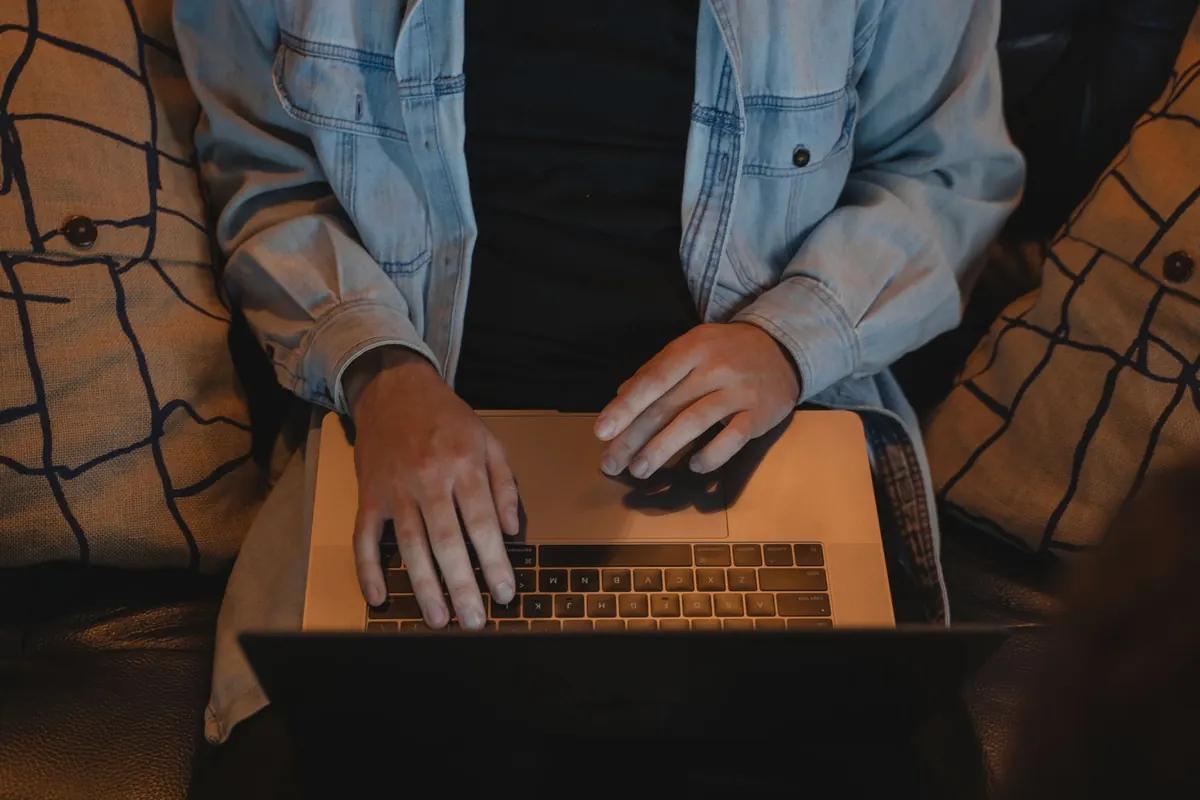
Photo: Tima Miroshnichenko / Pexels

Road closures, parking and timing can make or break a summer festival weekend. Here's a practical checklist for...
Shire's buses stop running before the night shift ends. A modest late-night pilot would keep workers moving, reduce...
Copyright © 2026 Shire Gazette. All Right Reserved.